
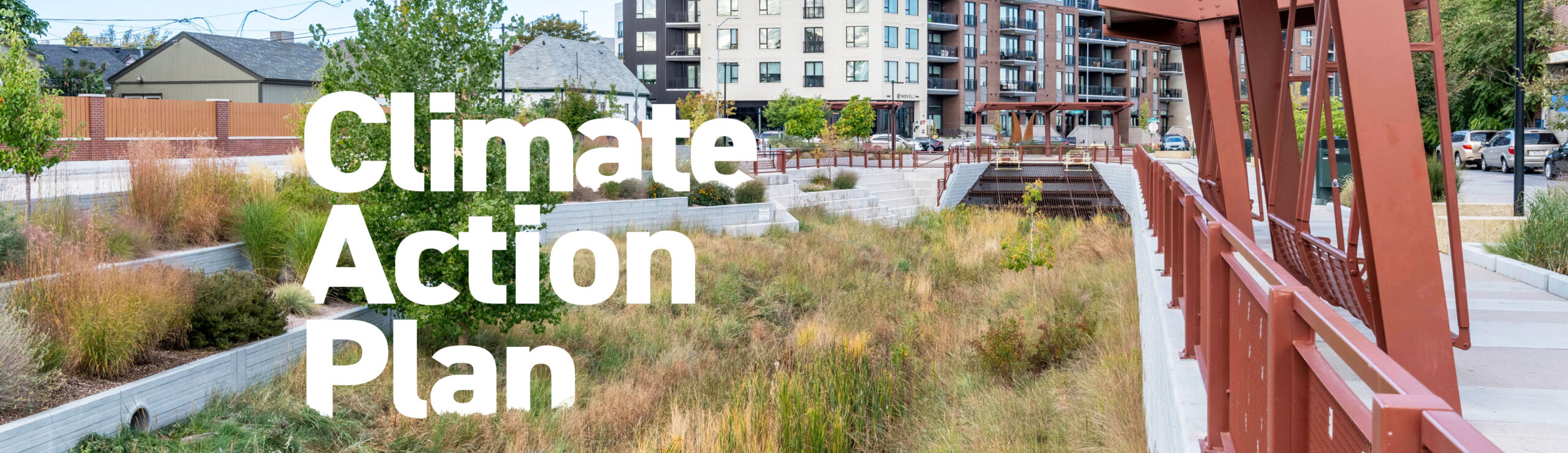
Landscape architects, urban planners, and urban designers are uniquely positioned to address the current climate crisis while ensuring equitable, resilient, and inclusive communities.
At Livable Cities Studio (LCS), we recognize that climate action must be intersectional—addressing environmental, economic, and social equity challenges together. As a firm committed to creating livable, resilient communities, we embrace our responsibility to reduce carbon impacts, integrate nature-based solutions, and advocate for climate justice in every project.
Several professional organizations have released climate action plans and compiled resources related to climate change. The American Society of Landscape Architects (ASLA) released the Climate Action Plan 2022–2025 and subsequent Climate and Biodiversity Action Plan (2026–2030), outlining high-level goals for all landscape architecture projects to achieve net-zero emissions by 2040, with updates every five years. This plan aligns with the International Federation of Landscape Architects’ pledge for global net-zero carbon emissions within the profession by 2040.
The American Planning Association provides a robust set of resources for urban planners to address climate change and resiliency through policy guides, reports, and research. Likewise, the American Institute of Architects released The Climate Imperative in July 2020, urging architects to take action to mitigate greenhouse gas emissions and protect the planet. LCS joins our peers in actively shaping a future where design is a force for climate resilience, social equity, and environmental stewardship.
Guiding Principles




Prioritize Sustainable Practices
Sustainability guides every LCS project, from concept through long-term care, through resilient materials, ecological design, and maintenance strategies that reduce environmental impact and support lasting performance.Empower Local Knowledge
LCS centers place-based knowledge by honoring cultural, ecological, and lived experience, ensuring community voices, especially those historically underrepresented, shape resilient and stewarded landscapes.Enhance Community Health
LCS advances community health by addressing environmental and social inequities through climate-responsive, nature-based design that improves environmental quality and expands access to recreation and wellbeing.Elevate Participatory Design
LCS leads with inclusive, participatory design that elevates community expertise and embeds climate justice into co-created strategies for equitable, long-term resilience.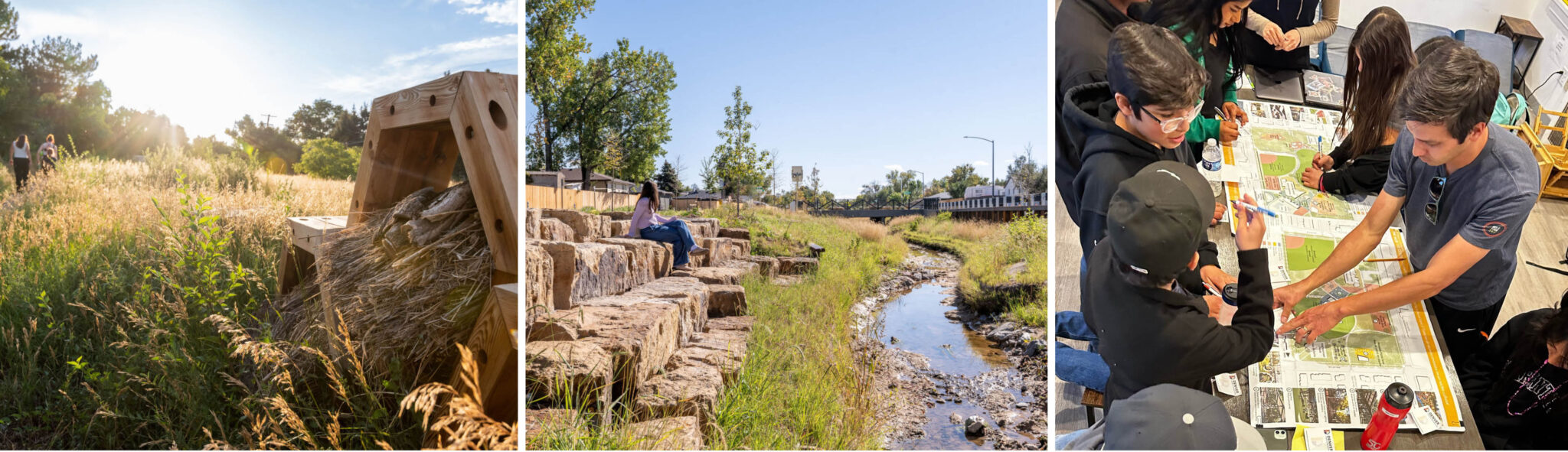
Key Issues and Barriers to Climate Action
As a firm, we have identified the following barriers that challenge our ability to fully integrate climate action and resiliency into our work. These barriers exist at multiple levels, and are often systematic. Barriers may be regulatory, financial, technical, or cultural and require a combination of advocacy, education, and innovation to overcome. This plan will help us tackle these hurdles at a variety of scales as we work to prioritize climate action within our practice.
- Systemic and Structural Inequities Related to Environmental Justice
- Regulatory and Code Barriers to Sustainable Design
- Industry-Wide Dependence on Traditional Materials and Standards
- Cost Constraints: Project Budgets, Selective Demolition, and Material Reuse
- Client Reliance on the Status Quo and Risk Aversion
- The Gap in Applied Ecological Knowledge and Stewardship
- Perceived and Actual Maintenance Challenges
- Need for Participatory Design and Community Stewardship
Progress to Date
The projects below highlight recent built work that demonstrates progress toward our climate goals.
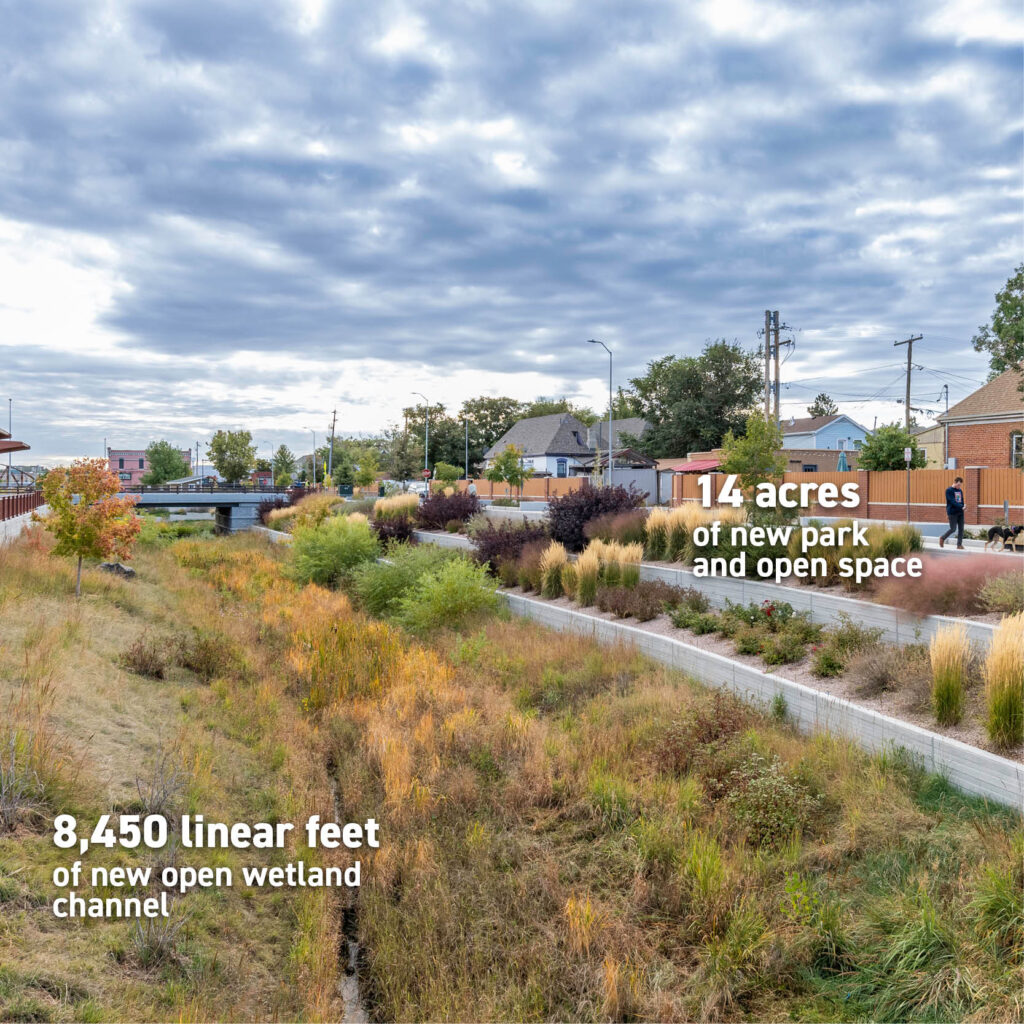
39th Ave Greenway, Denver, CO
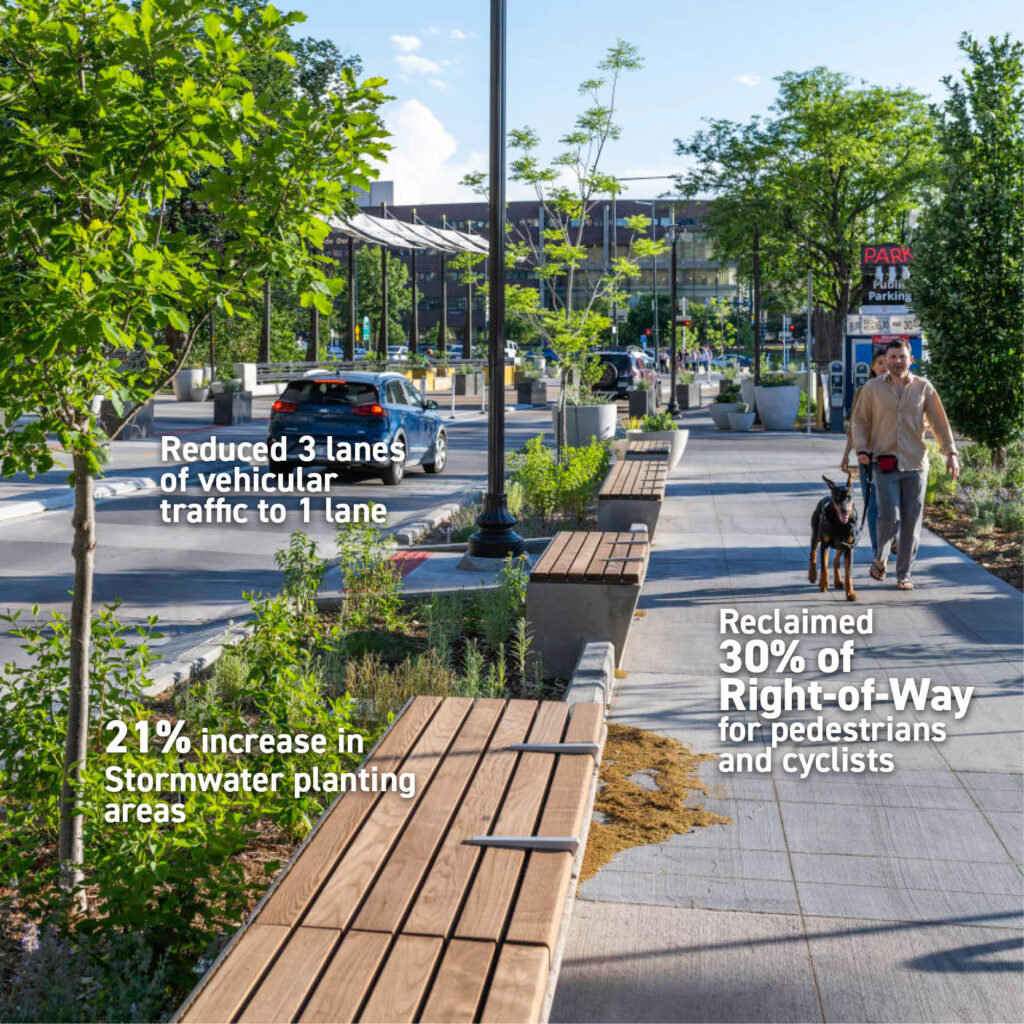
Connecting Auraria, Denver, CO
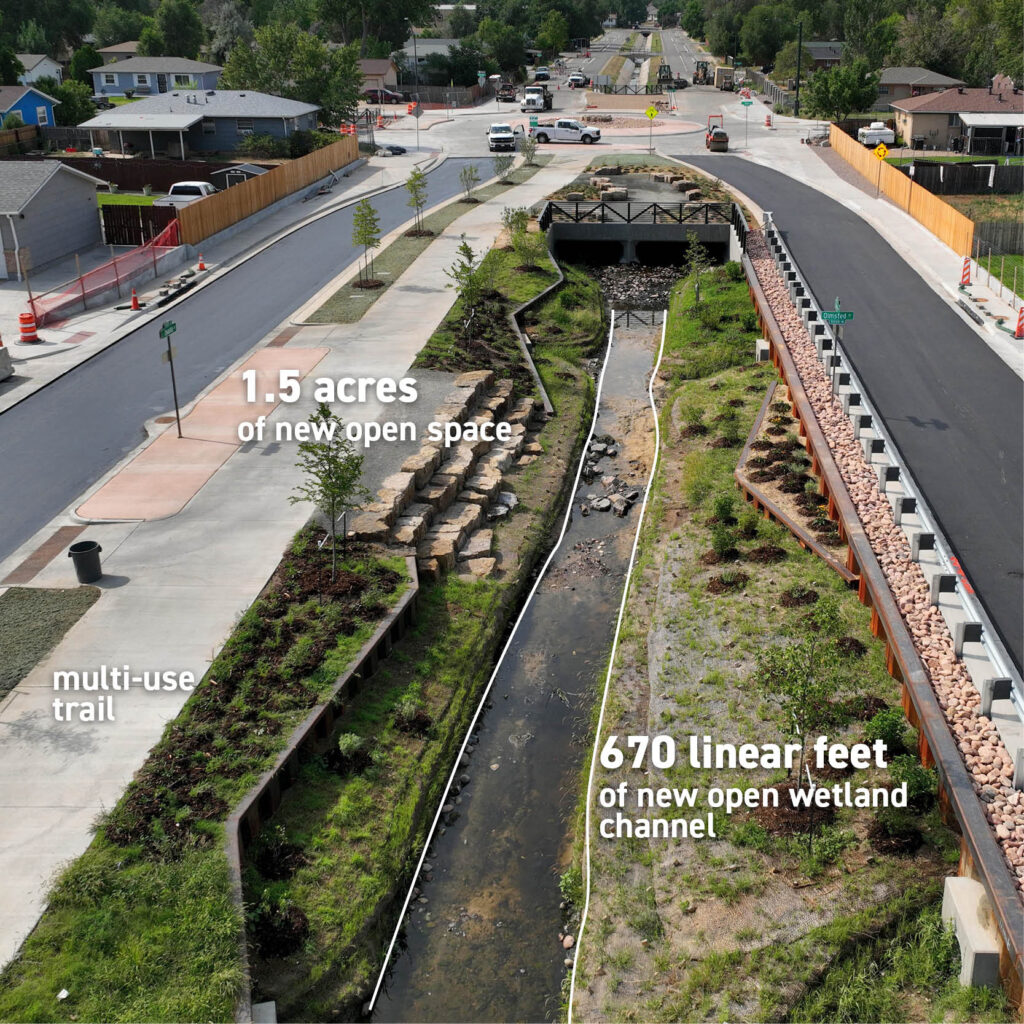
Uvalda Open Channel, Denver, CO
Focus Area
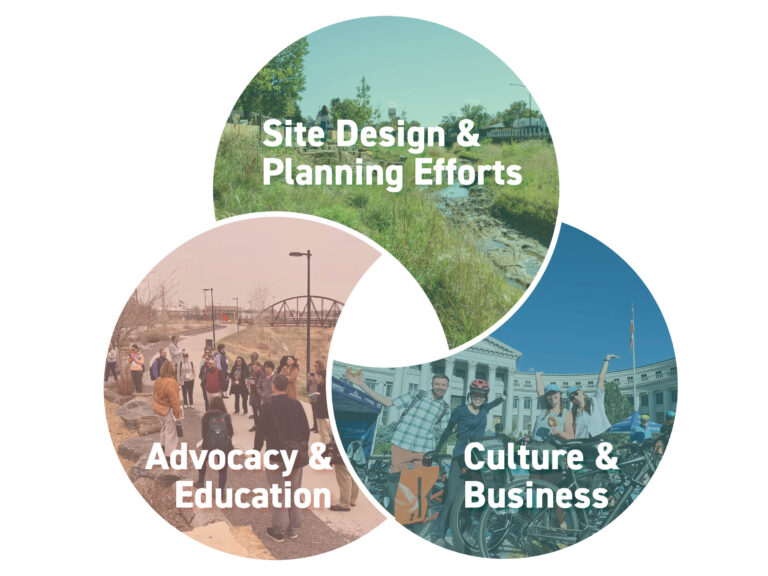
LCS advances climate action through Site Design & Planning Efforts that embed resilience, equity, and nature-based solutions into projects of all scales; Advocacy & Education that build expertise, share knowledge, and influence sustainable practices across the profession; and Culture & Business Practice that align our internal operations, partnerships, and workplace culture with climate-conscious and equitable values, ensuring our commitment to resilience is reflected in both what we design and how we work.
The Commitment
At LCS, we believe that landscape architects, urban planners, and designers have a responsibility to lead in the face of the climate crisis. As a firm deeply rooted in the Mountain West, we see firsthand how climate change is reshaping our communities—through extreme weather, water scarcity, biodiversity loss, and growing social inequities. These challenges demand urgent, place-based, and people-centered solutions.
Our commitment is not just to minimize harm but to actively restore, regenerate, and reimagine how we design for a more resilient future. By embedding resiliency practices into site design and planning, advocacy and education, and our own business operations, we are taking tangible, measurable steps toward reducing our impact, amplifying equity, and strengthening the landscapes and communities we serve.
This is not a static plan—it is a living commitment that will evolve with emerging research, new partnerships, and the needs of the communities we work with. We will hold ourselves accountable by tracking progress, refining strategies, and fostering a culture of continuous learning and advocacy.
At LCS, we do this work not only for today but for the generations to come. Through intentional design, engagement, and collaborative action, we aim to create places that are not just livable but thriving, resilient, and just.